Quick Answer: Preschool activities build a child’s brain architecture through hands-on play, not worksheets. The best ones are chosen by age and skill area, fine motor, gross motor, language, math, sensory, and social-emotional, so a 2-year-old and a 5-year-old are never handed the same task.
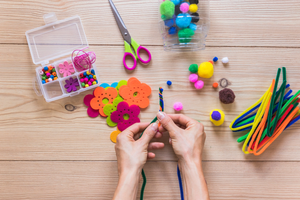
- Fine motor: playdough, bead stringing, tweezer sorting
- Gross motor: animal walks, obstacle courses, balance beam
- Early literacy: shaving cream writing, rhyme matching, story stones
- Math and logic: pattern blocks, size ordering, counting bins
- Best age to start structured activities: 2.5 to 3 years
- Ideal daily activity mix: 60 to 70 percent child-led play, rest guided
Introduction
A toddler is handed a brand-new toy still in its box. Within minutes, the toy is forgotten and the box becomes a boat, a drum, a hiding spot, and then a hat. Any parent who has watched this happen knows the frustration of it. And any early childhood educator will say the same thing: the child got it right.
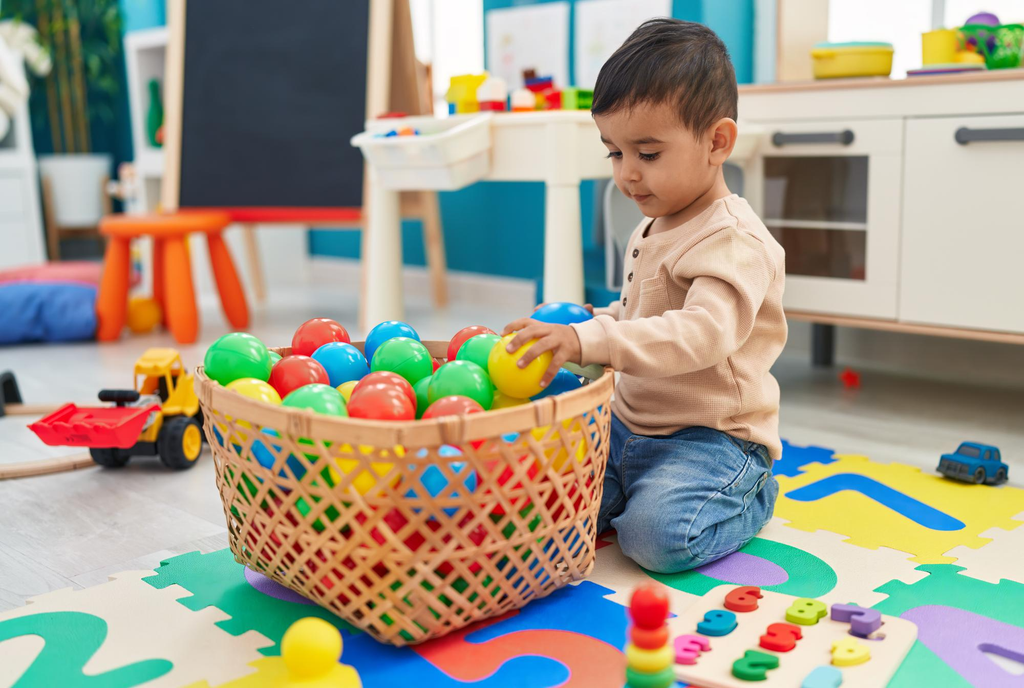
That instinct to turn an empty box into ten different things is not a distraction from learning. It is learning, in its most concentrated form. Between birth and age five, a child’s brain forms roughly a million new neural connections every second, according to research compiled by the Harvard Center on the Developing Child. What fills those years, more than any flashcard or app, is hands, materials, movement, and real interaction.
So the question most parents actually want answered is simpler than it sounds: what should a preschooler be doing all day? This guide answers that directly, with more than 100 activities sorted by age and by skill, so choosing the right one for a specific child takes minutes, not hours of searching.
Why Preschool Activities Matter More Than Parents Realize
Preschool activities matter because they build the physical and cognitive groundwork for everything that comes after, holding a pencil, reading a room full of emotions, solving a puzzle, making a friend. None of these skills arrive automatically. They are built, piece by piece, through repeated hands-on practice during the exact years when the brain is most ready to absorb it.
This is also why the debate between structured, academic preschools and play-based ones matters so much to parents choosing a school. A closer breakdown of Montessori versus traditional preschool approaches is worth reading for families still weighing that decision, since the activities a child does daily depend heavily on which philosophy a school follows.
At its best, a good preschool activity does three things at once. It teaches a specific skill, whether that is counting or hand strength. It builds joy and curiosity around learning rather than pressure. And it strengthens a child’s sense of self, the quiet confidence of “I can do this.” That third piece is often the one parents underestimate, and it is the one that carries the furthest into formal schooling.
Preschool Activities by Age Group
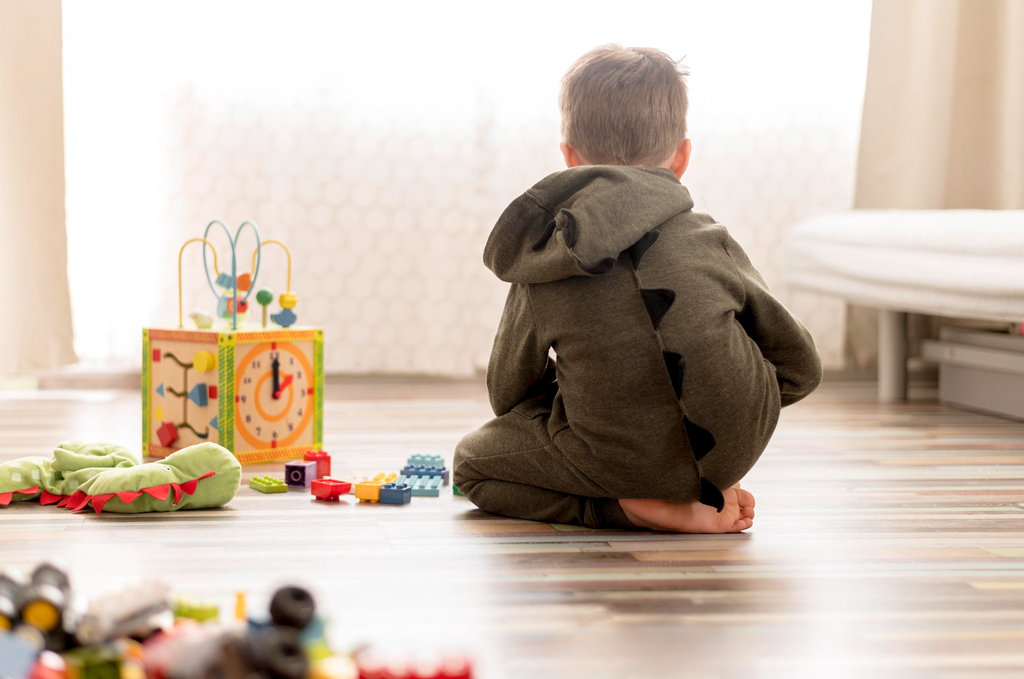
A three-year-old and a five-year-old are not doing the same version of an activity, just an easier one. Their brains, hands, and attention spans are working with entirely different tools. Choosing age-appropriate activities matters more than choosing impressive-sounding ones. For a deeper look at what separates these stages structurally, the difference between Playgroup, Nursery, and Junior KG breaks down what each year is actually designed to build.
Activities for 2 to 3 Year Olds (Playgroup Stage)
At this age, children are working on sensory absorption, basic gross motor control, and comfort in a group setting, mostly through parallel play rather than true cooperation. Activities should be short, sensory-rich, and forgiving of a two-minute attention span.
- Puddle Jumping: Blue paper “puddles” scattered around a room for leaping practice
- Playdough Sculpting: Rolling, flattening, and stamping to build hand strength
- Sponge Squeezing: Moving water between two bowls using only a sponge
- Scent Bottles: Guessing smells like vanilla, lemon, or cinnamon hidden in jars
- Ice Cube Painting: Frozen washable paint on popsicle sticks for an easy grip
- Animal Walks: Hopping like a frog or crawling like a bear to build coordination
Preschool Activities for 3-4 Year Olds
This is the age of language bursts and the first real attempts at cooperative play. Activities can hold a child’s attention slightly longer and start introducing early academic concepts wrapped inside play.
- Shape Scavenger Hunt: Finding objects around a room that match a specific shape
- Shaving Cream Writing: Tracing letters or sight words in a layer of foam
- Buttoning Board: Practicing with large buttons and felt strips for independence
- Sink or Float: Predicting what happens before dropping objects into water
- Rhyme Matching: Pairing picture cards that rhyme, like cat and hat
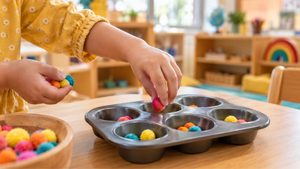
- Tweezer Sorting: Using kid-safe tweezers to sort pom-poms by color
Activities for 4 to 6 Year Olds (Senior KG Stage)
By this stage, children are ready for structure, multi-step instructions, and independent creation. This is where pre-reading, early math logic, and self-directed projects take center stage, laying the groundwork for formal schooling.
- Baking Soda Volcano: Combining baking soda, food coloring, and vinegar for a fizzy reaction
- Obstacle Course: Crawling under chairs and walking a taped line for coordination
- Pattern Blocks: Creating repeating patterns using colored blocks or buttons
- Table Setting Mat: A placemat with outlines of a plate, fork, spoon, and cup
- Syllable Clapping: Clapping out the beats in family names and everyday words
- Grid Board Game: Rolling a die and moving a token that many spaces forward
Preschool Activities at a Glance
| Age Group | Core Focus | Best Activity Types | Daily Time Suggestion |
| 2-3 Years (Playgroup) | Sensory exploration, gross motor basics | Sensory bins, water play, simple movement games | 20-30 minutes, short bursts |
| 3-4 Years (Nursery) | Language growth, cooperative play, fine motor | Art, matching games, group pretend play | 30-40 minutes, mixed structure |
| 4-6 Years (Jr/Sr KG) | Pre-literacy, logic, independent tasks | Phonics games, pattern building, structured projects | 40-50 minutes, more guided |
Fun Preschool Activities Sorted by Skill Area
Two children the same age can need very different things on a given day. One might need more movement, another more fine motor practice. Sorting activities by skill, rather than only by age, makes it easier to fill in specific gaps.
Fine & Gross Motor Skills
Fine motor activities build the small hand and finger muscles needed later for writing and buttoning shirts. Gross motor activities use the larger muscle groups for balance, coordination, and general physical confidence.
- Bead stringing with large wooden beads or pasta
- Paper tearing art for pincer grip practice
- Clothespin clip matching onto numbered dot cards
- Balloon tennis using paper plate paddles
- Tape balance beam walked heel-to-toe
- Bean bag toss into laundry baskets at varying distances
- Ring toss onto upright cones or bottles
- Parachute play with balls bouncing on a shaken bedsheet
Sensory Play Activities
Sensory play engages touch, smell, sound, and sight simultaneously, which is exactly why it holds a young child’s attention longer than almost anything else.
- Oobleck exploration with cornstarch and water
- Counting sensory bins with numbered items hidden in rice
- Salt tray tracing for early letter formation
- Sound shakers filled with rice, beans, or coins to guess by ear
- Ice excavation, melting small toys frozen inside ice blocks
- Nature sorting, grouping leaves, rocks, and flowers by texture
Craft & Art Activities
Art is rarely just about the finished picture. It teaches cause and effect, decision-making, and emotional expression a young child cannot yet put into words.
- Bubble wrap painting with feet or hands
- Nature paintbrushes made from leaves or pine needles taped to sticks
- Salad spinner art, dropping paint into a spinning circle
- Texture collage using fabric scraps, sandpaper, and foil
- Resist art, drawing with white crayon before painting over it
- Mirror self-portraits using washable window markers
Early Language & Literacy Activities
Long before a child reads a full sentence, they are building the foundation for it, sound awareness, letter recognition, and a genuine interest in stories.
- Story stones, drawing characters on rocks to invent tales
- Alphabet hunting, finding hidden magnetic letters around a room
- Name building using letter stamps or stickers
- Sound baskets, gathering items that share a starting letter sound
- Puppet theater re-enacting a favorite storybook
- Audio book listening while following along in a physical copy
Math & Logical Thinking Activities
Early math is rarely about numbers on a page. It is about noticing size, order, and pattern in the physical world.
- Size ordering toys or shoes from shortest to tallest
- Shadow matching, pairing objects to their drawn outlines
- Weight exploration with a simple balance scale
- Coin sorting into cups by size and color
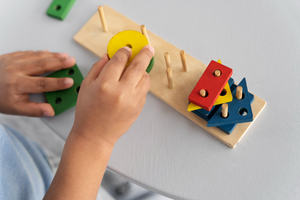
- Puzzle building for spatial logic
- Pattern recognition using everyday household objects
Social-Emotional Skill-Building Activities
These activities help a child name what they feel, practice patience, and build the small daily habits that quietly shape character.
- Emotion mirroring, practicing happy, sad, angry, and surprised faces
- Calm down bottles, watching glitter slowly settle in water
- Compliment circles, passing a ball while giving each other kind words
- Role-play doctor to ease anxiety about checkups
- Taking-turns timer for sharing a favorite toy
- Plant care routines, watering a small classroom or home plant
Woven into daily routines, activities like these do more than build skills. They build small, consistent moments of kindness, patience, and gratitude, the everyday values often described as Sanskars, that shape not just a capable learner but a genuinely good human being.
Pre Preschool Activities Parents Can Start at Home
For families with a child not yet enrolled anywhere, the good news is that meaningful preparation does not require a classroom. It requires consistency and a few household items.
- Sorting laundry into matching sock pairs for early categorization
- Pouring water between two cups to build hand control
- Naming objects during a walk to build vocabulary
- Stacking pillows into a simple obstacle course
- Reading the same picture book on repeat, which builds far more language than switching books constantly
None of this needs to feel like pressure. The goal at this stage is simply exposure and confidence, not acceleration. Parents wondering when to move from home practice to a structured classroom often find it helpful to read about the right age to start preschool, since readiness depends on more than just a birthday.
Indoor vs Outdoor Preschool Activities for Jaipur Families
Jaipur’s climate makes activity planning a genuinely practical concern, not just a preference. Summer afternoons are too harsh for extended outdoor play, and winter mornings often bring poor air quality. Splitting activities by season and time of day makes daily planning easier.
- Better indoors, especially May through August afternoons: Sensory bins, playdough sculpting, shaving cream writing, salt tray tracing, puppet theater, indoor obstacle courses using furniture and cushions.
- Better outdoors, ideally early morning: Animal walks, hopscotch, bean bag toss, nature paintbrush art, nature sorting walks, bubble play.
- Best for monsoon or high-AQI winter days: Anything sensory and screen-free that keeps hands busy indoors, oobleck, texture collages, and calm-down bottle making all work well when a walk outside is not realistic.
How Welmont Brings These Activities to Life in the Classroom
Inside a Welmont classroom, activities are never scattered at random. They follow what is known internally as the Monthly Virtuous Circle, a rotating, theme-based approach where a single month’s learning goals connect across art, sensory play, language, and social-emotional development at once.
A “Colors and Community” month, for example, might combine color-mixing art stations with a compliment circle activity and a neighborhood-themed story session, all reinforcing the same underlying ideas from different angles. This is deliberate. Repetition across formats, rather than repetition of the same worksheet, is what actually helps a young child retain a concept.
Every activity is also chosen with a specific goal in mind, tied to what the school calls each child’s Happiness Quotient, the idea that genuine engagement and joy in an activity is what makes the learning stick, not compliance or memorization. A child who is laughing during a sensory bin activity is also, quietly, building number recognition. Both things are true at once, and that overlap is the entire point.
Choosing What Actually Matters
None of this requires trying all 100-plus activities in a single month. It requires picking a handful that match where a child actually is right now, rotating them as skills grow, and trusting that consistency beats variety. A child who repeats a favorite sensory bin three times in a week is not getting bored. They are mastering it.
For families who want this kind of thoughtful, rotating activity structure built into daily school life rather than managed alone at home, a visit often makes the difference clearer than any list ever could. Booking a school tour at Welmont Preschool & Daycare offers a firsthand look at the Monthly Virtuous Circle in action, and a chance to see exactly which activities would fit a specific child’s stage, right now.
Ready to see learning in action? Visit Welmont School and discover activities designed around your child’s stage, interests, and growth. Book a school tour today!
Frequently Asked Questions
1. What are the best preschool activities for a 3-year-old?
The best activities for a 3-year-old combine short sensory experiences with early fine motor practice, things like playdough sculpting, shape scavenger hunts, and buttoning boards. Activities should last no more than 15 to 20 minutes at a time to match natural attention spans at this age.
2. How many hours a day should a preschooler spend on activities?
Most preschoolers benefit from 20 to 50 minutes of structured activity time daily, split into shorter blocks rather than one long session, alongside several hours of free, unstructured play. The exact balance shifts as a child moves from Playgroup toward Senior KG.
3. What preschool activities help with school readiness?
Activities that build pre-writing hand strength, early letter and number recognition, and the ability to follow multi-step instructions are the strongest predictors of school readiness. Pattern blocks, shaving cream writing, and table setting mats all target these areas directly.
4. Can preschool activities be done at home before enrollment?
Yes, and they should be. Simple household activities like sock sorting, water pouring, and repeated picture book reading build the same foundational skills a classroom does, just at a slower, more flexible pace suited to a family’s routine.
5. What is the difference between sensory play and fine motor activities?
Sensory play engages a child’s senses, touch, sight, sound, and smell, to build focus and self-regulation, while fine motor activities specifically target hand and finger strength for tasks like writing and buttoning. Many activities, like playdough sculpting, actually do both at once.