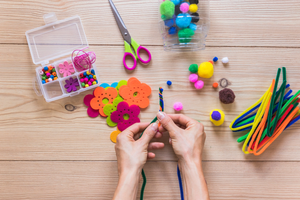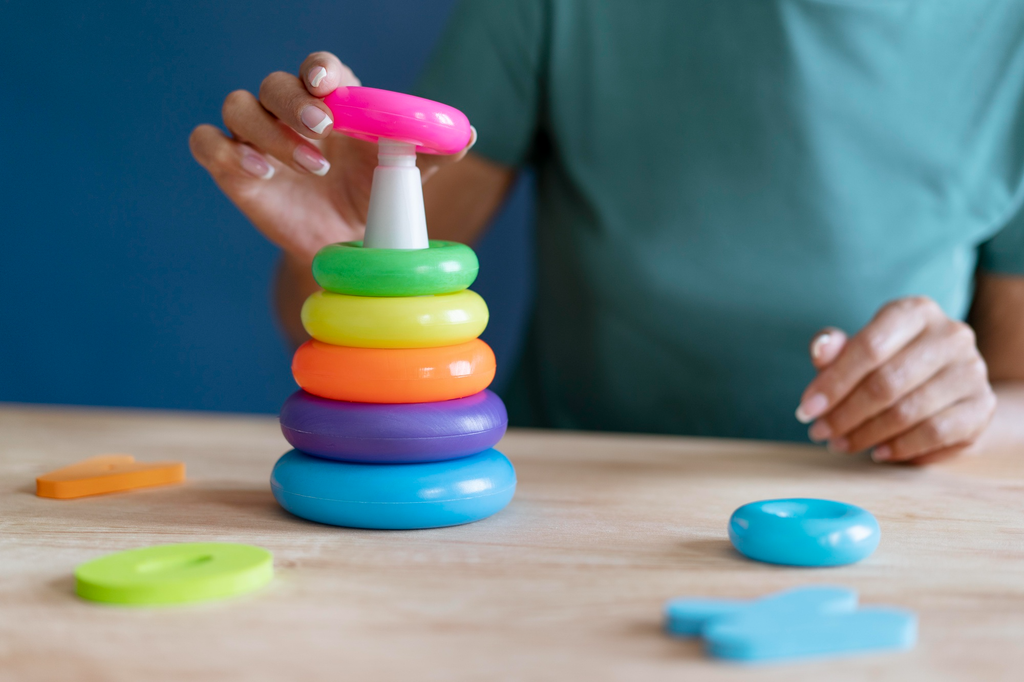
Quick Answer: Sensory play activities for preschoolers use touch, smell, sound, and movement to calm a child’s nervous system while building focus, vocabulary, and fine motor control. The most effective options rarely need special kits, everyday Indian pantry staples like rice, dal, and chickpeas work as well as, or better than, store-bought sensory bin fillers.
- Sensory play calms meltdowns by giving hands something repetitive to do
- Dry sensory bins (rice, dal, chickpeas) build scooping, pouring, and sorting skills
- Best daily sensory play time: 15 to 20 minutes, no pressure to finish
- Always supervise sensory play with children under 3 due to choking risk
- Calming sensory tools work well during school transitions and daily changeovers
Introduction
There is a particular kind of evening every parent recognizes. Bedtime is approaching, the child will not settle, and the easiest fix sitting right there is a screen. It works, for a while. But there is a quieter alternative that does something a screen never can, a bowl of dry rice, a spoon, and a few empty cups, set down on the floor with no instructions at all.
That is not a downgrade. It is sensory play, and it is doing real work. In the first several years of life, a child’s brain forms well over a million new neural connections every second, a pace that never repeats at any later stage of life. What fills those years matters enormously, and repetitive, hands-on sensory input, scooping, pouring, squeezing, sorting, is exactly the kind of input that builds the pathways behind focus, language, and emotional control.
Many parents quietly wonder whether “messy play” is genuine learning or just, well, mess. It is worth settling that question upfront: it is learning, and this guide walks through exactly why, along with fifteen bin ideas built entirely around what is already sitting in most Indian kitchens, no imported kinetic sand required, plus the calming activities and safety guardrails every parent should know before starting.
What Is Sensory Play, and Why Does It Work?
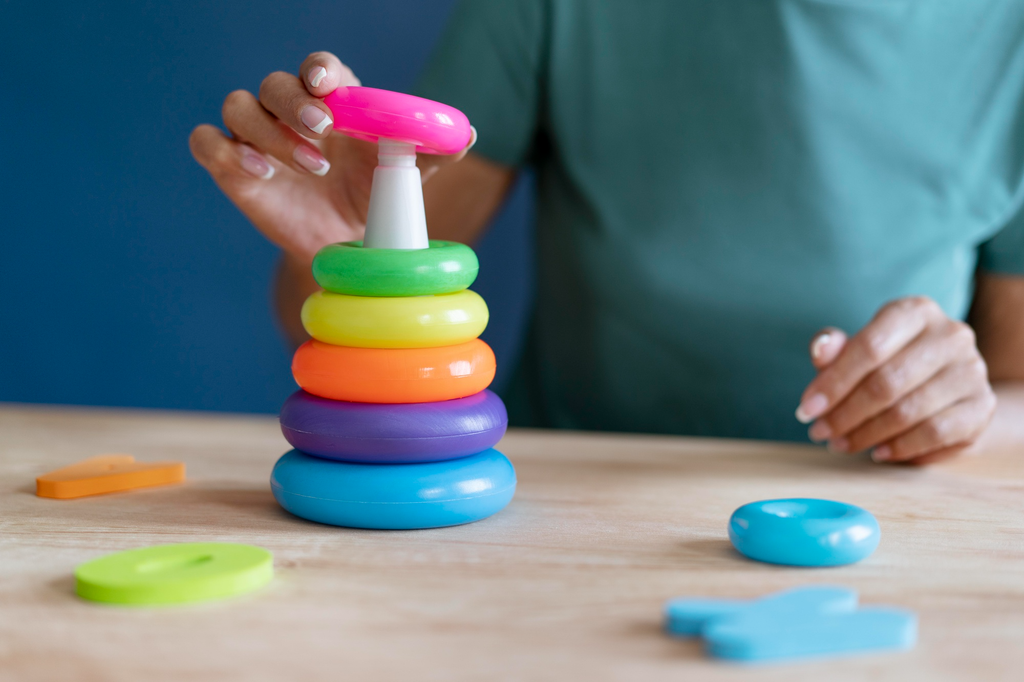
Sensory play is any hands-on activity that stimulates a child’s senses, touch, sight, sound, smell, taste, and movement, through direct exploration rather than passive watching or listening. It works because repeated sensory input builds the neural pathways behind focus, language, and self-regulation faster and more durably than verbal instruction alone.
Think of it the way a gardener thinks about soil. Nothing grows well in ground that hasn’t been prepared first, watered, aerated, given time to settle. Sensory play is that preparation stage for a young brain, laying groundwork quietly before the more visible skills, reading, writing, structured problem-solving, are even expected to show up.
What Are the Real Benefits of Sensory Play for Preschoolers?
Sensory play strengthens focus and memory, expands vocabulary as children describe what they feel, builds fine and gross motor coordination through scooping and pouring, and supports emotional regulation by giving restless hands something repetitive and calming to do.
- Builds focus and memory through repeated sensory attention
- Expands vocabulary as children narrate textures and sensations
- Strengthens fine and gross motor coordination
- Supports emotional self-regulation during stressful moments
- Builds confidence through independent, unsupervised exploration
One quiet classroom moment illustrates this better than any list. A particularly shy child, who rarely spoke during circle time, spent weeks barely participating in group activities. Then a rice bin with hidden alphabet letters was introduced during free play. Digging through it alone, she began narrating out loud, “this one’s cold, this one’s a Z, this one’s stuck.” Within a few weeks, that same quiet narration started showing up during circle time too. Nobody taught her to speak up. The rice bin simply gave her a low-pressure reason to start.
What Are the Best DIY Sensory Bin Ideas Using Everyday Pantry Staples?
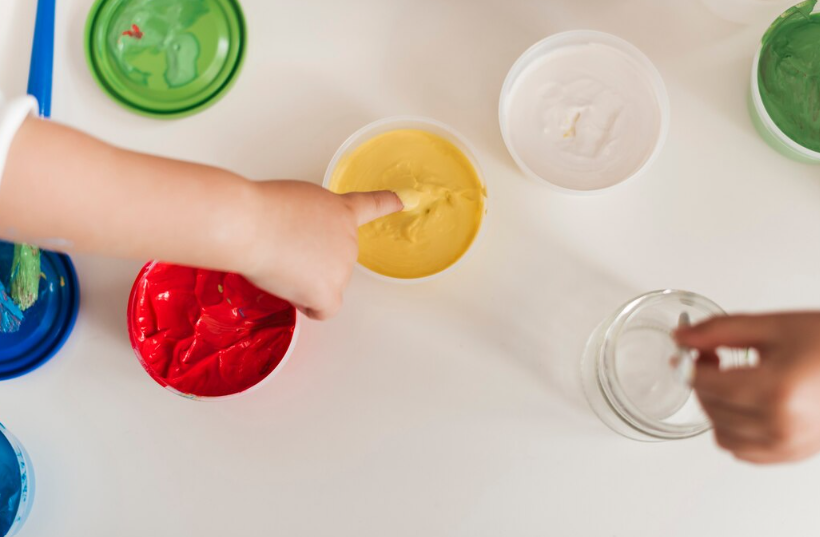
The best sensory bins skip imported kinetic sand or water beads in favor of dry Indian pantry staples, rice, dal, chickpeas, and dried pasta, which are cheap, safe when supervised, and just as effective for scooping, pouring, and sorting practice
Sensory Play by Age and Focus
| Age Group | Skill Milestone | Welmont Sensory Activity |
| 18 months – 2.5 years | Basic texture and temperature awareness | Soapy water play, soft fabric scrap tray |
| 2.5 – 4 years | Scooping, pouring, early sorting | Dal and rice sorting bin, colored spaghetti tray |
| 4 – 6 years | Sustained focus, descriptive vocabulary | Spice-scented smell jars, alphabet rice bin |
15 DIY Sensory Bin & Table Ideas
- Colored rice bin with hidden alphabet letters
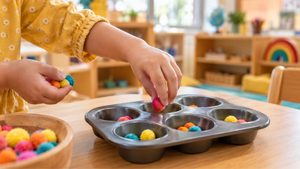
- Dal and chickpea sorting by size and color
- Dry pasta scooping station with small cups
- A gentle “float and sink” tub using safe kitchen items
- Textured fabric scrap collage tray
- Sand tray with a buried toy rescue mission
- Rice bin with buried numbers for counting practice
- Bean and lentil mosaic art on glue-lined paper
- Spice-scented cotton ball smell jars, cinnamon, cardamom, mint
- Soapy water foam play with a whisk
- Ice cube excavation with small frozen toys
- Colored spaghetti squish tray
- Vegetable and fruit peel texture bin, supervised closely
- Shell and pebble nature sorting tray
- Playdough or cloud dough scented with something calming like lavender
Rotating just one or two of these a week keeps the novelty alive without ever needing a shopping trip. This kind of early sensory bin exposure is exactly where a child’s first structured play experiences begin, something families exploring Welmont’s Play Group program and Nursery program will recognize as a daily classroom staple rather than an occasional treat.
What Are Calming Sensory Activities for Meltdowns and Transitions?
Calming sensory activities give an overwhelmed child a repetitive, low-stimulation task to focus on. Slow breathing through bubble play, watching a glitter jar settle, or squeezing scented dough all help regulate emotions faster than verbal reasoning alone during a meltdown.
- Watching a calming glitter or sequin bottle slowly settle
- Blowing bubbles slowly through a straw into soapy water
- Squeezing scented playdough or cloud dough
- Walking a short barefoot texture path
- Quiet scooping in a dry rice or dal bin
A practical habit worth building: keep a small “calm down basket” at home with two or three of these ready to go. Reaching for the same familiar basket during a hard morning drop-off or a bedtime meltdown gives a child a predictable, comforting routine rather than a new negotiation every time.
What Sensory Play Safety Precautions Should Parents Know?
Sensory play is safe when supervised, but dry fillers like rice, dal, and small beads pose a real choking hazard for children under 3, so activities involving small loose materials should always happen under direct adult supervision, never left for independent play at that age.
- Always supervise sensory bin play for children under 3
- Avoid very small items like beads or dried chickpeas for children who still mouth objects
- Keep sensory play areas away from stairs or slippery floors during water-based activities
- Check for food allergies before introducing any edible sensory materials
For a fuller look at how safety and hygiene standards are handled in a daycare setting more broadly, this breakdown of common daycare safety and hygiene questions is worth a read, particularly for parents weighing a daycare option for a younger child.
How Does Welmont Use Sensory Corners in the Classroom?
Every Welmont classroom includes a dedicated sensory corner, rotated monthly as part of the Monthly Virtuous Circle, so sensory exploration always ties back to that month’s broader learning theme rather than sitting apart as an isolated activity station.
During a “Farm to Table” themed month, for instance, the sensory corner might shift from a dal-sorting bin early in the month to a textured vegetable exploration tray by the third week, tying directly into a related storytelling session about where food actually comes from. Children move between the two naturally, one reinforcing the other without ever feeling repetitive.
This is also where the Happiness Quotient philosophy shows up most visibly. Sensory corners are consistently where children gravitate on their own during free play, no prompting required, which is exactly the kind of joyful, self-directed engagement the philosophy is built around. Food-based sensory activities in particular open a gentle door to Sanskars as well, small moments of gratitude and mindfulness around where a meal comes from, introduced through touch and play rather than a lecture. Families with younger children exploring Welmont’s Daycare program will find sensory corners integrated from the very earliest age groups.
A Simple Weekly Sensory Play Framework
- Pick one calming activity for transition moments, a glitter jar or scented dough works well
- Pick one hands-on bin activity for structured play time, a rice, dal, or pasta bin
- Rotate the bin filler weekly to keep novelty alive without buying anything new
- Always supervise directly if the child is under 3 or still mouths objects
- Narrate the activity out loud together to build vocabulary alongside the sensory experience
The Real Value Sitting in the Kitchen
None of this requires a trip to a specialty toy store or an imported sensory kit. A bowl of dal, a handful of dry rice, a few spare cups, and fifteen unhurried minutes usually cover the same developmental ground, and often calm a hard moment faster than anything else in the house.
For families curious what a rotating, theme-connected sensory corner looks like inside a full school day, a visit tends to make it click far faster than any list can. Booking a school tour through Welmont’s admissions page offers a firsthand look at sensory play woven into the Monthly Virtuous Circle, and a chance to see exactly which activities would suit a specific child right now.
Turn Everyday Ingredients Into Everyday Learning. Visit Welmont School and discover how sensory play can make learning more engaging, hands-on, and meaningful. Book your school tour today!
Frequently Asked Questions
1. What should my 2-year-old be doing during sensory play?
A 2-year-old benefits most from simple texture and temperature exploration, soapy water play, soft fabric scraps, or a gentle dry rice bin, always under close supervision given the natural instinct to put small items in the mouth at this age.
2. How do I prepare my child for sensory activities at preschool?
Starting with a few short, low-mess sensory activities at home, like a dal sorting bowl or a texture scrap tray, builds comfort with hands-on exploration before a child ever encounters a classroom sensory corner.
3. Are dal and rice safe for sensory bins?
Yes, for children over 3 with direct supervision. For children under 3, who tend to mouth small objects, larger or softer sensory materials are a safer starting point until that habit fades.
4. How long should a sensory play session last?
Fifteen to twenty minutes is a realistic target for most preschoolers, though there is no need to rush a child who wants to linger longer, sensory play works best without a strict time pressure attached.
5. Can sensory play help with tantrums?
Yes, calming sensory tools like a glitter jar or scented playdough give an overwhelmed child a repetitive, low-stimulation task to focus on, which often helps regulate emotions faster than verbal reasoning alone in the middle of a meltdown.